• Skip to main content
  • Skip to primary sidebar

Lauren McCullough

Female Voiceover Talent

717-281-1991‬

LaurenMcCulloughVO@gmail.com

  • Home
  • About
  • Demos
    • Audiobooks
    • Book Trailers
    • Commercial
    • Corporate Narration
    • eLearning
    • Explainer
    • Medical Narration
    • Phone/On-Hold/IVR
    • Radio
    • Videogames
    • Web Video
    • Whiteboard
  • Clients
  • Contact

marketing

Tips to write a storytelling ad

Business, Marketing

From the days of ancient humans huddled around their first campfires, sharing stories of the hunt, to the pictures they painted on cave walls, to every book ever written, and every TV show and movie, there is nothing more human than the telling of a story. Advertising has been neighbors with stories for many years also, and recent decades have changed the landscape there as well. What was once hard sells and pushing every inch has had to withdraw and change character.

Most people can spot classic advertising from a mile away and have little interest in direct sales. How does the responsible ad agency or company get their products in the customer’s hands then? Tell your story. Make it about human connection instead of just your product’s features. Show your company or your product solving a problem or helping someone, or just showing something cool you did. The digital age has given society unprecedented connections between people, and a lot less tolerance for things that seem “fake”. 

A storytelling ad will share your company and your product in an emotionally impactful, insightful, and human connecting way. People make many decisions based on emotions-as much as we’d all like to think we’re logical beings-and you’ll be able to tap into these basic human drives by creating a story vehicle for your ad. Plus, we remember stories much more than we remember lists of facts, 22 times more in fact. Add in some human connection and authenticity and you’ll have a winner of an ad in no time. Here are some great tips to create one. 

Unfulfilled Desire

Most of human history has been centered around people wanting to fulfill their various desires. From love to war, from self-examination to self-fulfillment, there are limitless themes and nuances in every story. Your ad should be no different. Hook the viewer with a need or a want that they can see and sink their teeth into right away. Whether it’s the needs of a child or the frustrations of an adult, putting the desire center stage will help anchor your story in the viewer’s mind. 

Don’t sell

This has already been mentioned, but it bears repeating. Traditional selling techniques are at this point an automatic turn off, exit out, or channel change for most people. Besides, classic selling techniques have limitations that stories don’t. With storytelling ads, you can do literally anything as long as you make it human and relatable. If Betty White getting tackled can sell Snickers, there’s no limits on what you can do with your stories. Ads these days are no longer about market saturation in the way they once were, but about standing out and creating meaningful content in a crowded, diverse marketplace. 

Hero

We all like someone to admire and look up to. Heroes have taken journeys in every age, from ancient to modern. Give your viewers someone to identify with, and you have one of the best hooks possible. It doesn’t have to be a strong man type either, a memorable ad from the recent past even featured a baby duck as a hero. Diversity is a common theme these days and choosing someone from a minority community can help customers you normally might not reach be able to identify with your brand. Think outside the box, and choose to center a variety of voices in our interconnected world to tell the stories of. Plus, it helps attach good feelings to your brand and company for showcasing people who don’t always get the spotlight. 

Follow the pattern

Stories always have a pattern of introducing a problem, building up tension, a climax and then a denouement. Although there’s a lot of room for variation within that structure, make sure there is a structure for your story. Getting a little too artistic or creative can confuse people and make it harder for them to get your real message or be interested in your product or company. Being confused or unsure is a pretty good gateway to people changing the channel or clicking away.  

Find what makes you different

Telling your story is a gateway to who you are as a company. Look into your company culture and values and find what makes you stand out in the world. It is a challenge to find differences when you’re selling a product, but who you are as people makes you able to connect with your viewer. Then it is that much easier to connect your product with its potential place and use in their life. Use the opportunity to find what you may have missed about yourself as a company and bring it to the forefront in your ad. 

Relatable

This can be tricky to perfect in our cynical ad saturated culture. There is so much that has been done before or shared in ways that makes our attention skip and our brains turn right off. But authenticity is the watch word here. People don’t want polished actors delivering lines from inside a perfect, spotless home, they want to feel how the story they’re being told connects to them. Emphasize the qualities and stories that we all share culturally and worldwide to make those connections for the viewer. Everyone has fallen in love, or known a kid who had a problem, or been frustrated at work. A recent Budwiser ad featured a dog left at home as his owner went out drinking with friends. The dog doesn’t understand why his owner doesn’t come home, and you’re led to think the worst at first. But then the owner comes back and we discover they made a responsible choice to stay the night with their friends instead of drive drunk. This ad slam dunked relatability through the eyes of a beloved pet, and made you look at the possible consequences of irresponsibility through the eyes of those left behind instead of the person doing the drinking. 

Don’t be afraid to get creative

Whether you’re sitting down with your family watching the Super Bowl, or some other time when they show the best ads, we remember the ones that take new pathways and share new stories. Often, the ones we remember the best are those that connect with us and give us a little surprise in an unexpected connection or outcome. The world is changing so fast and there are many challenges for us all, but there are also always ways to uplift and bring light to the world. Don’t be afraid to look in a new direction or try a new voice for your ad. You might get even better results than you expect. 

The drive for relatable stories isn’t going away any time soon. A wise company will learn how to connect their customers with the human elements that touch us all, and make their ads harmonize with their viewers. Advertising is much more than getting facts and figures in front of your customers, you want to show them how your product can be part of their lives, and connect with them on the level and nature of the problems you can solve for them. Without a story, an ad will be forgettable, and you and your company will just be passed by. 

Does Professional Voiceover Help Sell Products?

Business, Marketing

Does Professional Voiceover Help Sell Products?

In business, the bottom line is always on everyone’s mind. Cost and trying to get the next thing out the door are a constant battle. When you’re presenting your product to the world, you want a smart, catchy presentation that puts both your company and your product in the very best light. The marketplace grows more and more crowded and noisy by year, and the changes in advertising that have come with the digital age make it so that every person in sales needs to consider where they put their dollars. 

7 REASONS TO HIRE A PRO

Whether it’s an explainer video, a television commercial, a radio ad or what have you, a great voiceover is a natural part of the bargain. But there’s some important things to keep in mind about the voice you choose, and why paying a professional rate is an important part of the process. There are a number of ways to get a cheap voiceover rate these days, and cutting costs might seem like a great idea. But below I have seven reasons why it’s worth paying a professional rate rather than $5.

  1. Natural sound: like your customer. (Not like someone reading something.) – Relatability is the name of the game these days. The announcer sound has seen it’s sunset and we’re into the kind of ads that say more than just what you have on sale. High technology has connected us more than ever, but the real currency people want in their advertising is a feeling of human connection. A pro voiceover will know how to shape their words and tone to both your product and to sound like someone your customer could have just next door. 
  2. Creates emotional connection— without the ability to connect emotionally to the script, no one is going to buy into the pitch. Natural sound leads to emotional connection, which makes your potential customer more likely to remember your product and want to buy it whenever they might need it. 
  3. Positive and lasting impression of your company. Making sure that you have the best sound and presentation shows your customer that you are a solid, professional company that cares about your presentation as well as your product.
  4. Saves time. You don’t have to worry about someone who is new to their equipment. You avoid having to redo your ad if there’s an issue with the performance, recording space or the post-production. 
  5. Consistency. Hiring the same voice helps build your brand in the mind & ears of your customers. This is an easy tool to use alongside all your other branding and marketing efforts and create a feeling of reliability for your consumer that you’re a company they are familiar with. 
  6. Long term ROI. Creating and building a consistent, professional image for your company and your products helps ensure that you will succeed not just with your current offerings, but with anything that you do in the future. 
  7. Helps build trust– Although we might not know their names, the history of every brand has trusted voices in the media that people feel comfortable with and this is true with your company also. People will learn the kind of values your company stands for and the things that your product makes them feel with the right voice, and this will help build the trust consumers have with your company.

HOW TO FIND THE RIGHT VOICE

So you want to grab that pro voiceover! There are lots of ways to get in touch with pro talent, from individual websites, to agents, and some of the casting sites available with an aggregate of talent. The online casting sites have both their advantages and their cautions. Are you and your team available and prepared for potentially hundreds of auditions? That can be a lot to process, especially if you have a quick turn around. Yes it’s nice to have lots of choices, but the choices can cause you a lot more work. Plus, with the aggregate sites, there’s less personal selection of the voice talent that might fit your specific product the best. Most of those sites use algorithms to select who auditions for you. That being said, here’s four things you need to consider when you’re getting started finding your talent. 
  1. Language- if you’re operating in foreign markets to wherever you are, make sure that you take good care of the language you use. Google translate is not good enough for ad copy, since it misses the fluency of a real speaker, and can easily lack idioms or other cultural markers that will help bring your vision and company mindset across.
  2. Accent- Not all accents within the same languages are created equal. With many languages, there are various regional dialects and sounds depending on where you are or what country you’re in. Although you can make a splash using an accent different from the one people are used to hearing (British voices in the United States, for example.) this should be done carefully to make sure that you don’t make the wrong choice. Another example would be the Spanish spoken in Spain, and the Spanish spoken in Mexico. There are differences in pronunciation and word usage from country to country and you need to take care to get the right voice for the job. 
  3. Script- It can be hard to find a good writer, but the words are a huge part of the game, and the better script you write, the better your voice talent will be able to help create your image and product lineup. Make sure that you focus on showing, not telling with your writing, so that the script is more than a list of product descriptions, and evokes a response in your viewer. The goal is to connect with their imagination and feelings, to sound less like a salesperson, and more like someone they know giving them good info on your product.
  4. Gender- there’s lots of products that typically are counted as being for one or the other gender. The choice of voice for that one is probably easy enough. But what about when your product is something that fits neither? Women’s voices are considered by most people to sound more trustworthy. That’s an important characteristic to tap into. But gender doesn’t have to rule your casting, if you want to take something in an unusual direction.

Why is a pro voiceover still important when more people are watching videos with the sound off? This is a newer phenomenon with the rise of smartphones and crowded public environments. No one wants to be the jerk who blasts the whole bus or car with a high speed auto ad. (Or at least most folks don’t.) It is wise to add subtitles to your video to make sure that this segment of the population can still get the full impact of your advertisement. But it may seem silly, if so many people don’t use sound, why include the pro voiceover? Because there are always times and places for sound, when people will listen as well as watch, and there are people who do prefer sound still, especially older folks. No matter how your viewer chooses to take in your message, choosing a professional voiceover will make sure your presentation is as professional and diverse as possible. 

YouTube Pre-Roll Ads That Rock

Marketing

Have you considered using YouTube PreRoll ads in your marketing strategy? These ads, which act like a short commercial before a YouTube video begins or sometimes later in the video, can be a powerful way to get your message out to just the right audience. 

How Effective Are YouTube PreRoll Ads?

In short, really effective. YouTube viewership grows constantly. Just check out these statistics. 
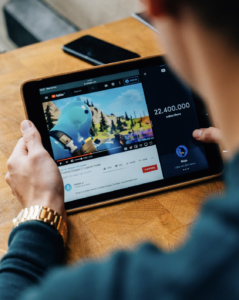
  • YouTube is the second most popular social media platform. (See Oberlo.)
  • Two billion logged-in monthly users. (See Hootsuite.)
  • One billion hours of video consumed everyday. (See socialsprout.)
  • Average user consumes 12 minutes and 43 seconds. (See SocialMediaToday.)

And here’s what makes it really awesome. YouTube is owned by Google. So to harness your pre-roll ads, you will use Google Adwords. This means that you can use keywords related to what you’re selling, what your target audience is looking for, to drive the use of your YouTube Pre-Roll ad. For instance:

  • If you sell children’s books, you can play an ad in front of a book reading or book review. 
  • If you want moms to see your ads, you can play in front of a tutorial for moms. 
  • If the perfect video for you to be in front of is a make-up tutorial, you can use target keywords to connect with those types of videos. 

As you can see, targeting your video to your exact audience is key. And is the great thing about YouTube pre-roll ads. The more specific you can be, the more certain you can be that the right person is going to see your little ad at just the right time. 

The Best Way to Use Pre-Roll Ads

According to this fantastic article from Convince & Convert, the best way to use your YouTube pre-roll ad is not to hit your viewers immediately with a sale. Keep in mind, your video is interrupting them. They clicked a YouTube video link to watch that YouTube video and first they have to sit through 5 seconds (and hopefully more) of your video first. So instead, the best way to use this opportunity is to “raise awareness,” according to the article above. 

I totally agree. This is your chance to make your viewer go “wow!” or “huh, I never thought of that” or “Well, I’ve never heard of that before.” It’s a chance to make them think, make them informed or educated, and make them click to learn more. 

Get creative. Get silly or serious; just make sure to match the tone of your message. Sometimes thinking outside the box is the best way to go. 

With YouTube Pre-Roll Ads, You Have 5 Seconds

The power of a YouTube pre-roll is that it plays before a YouTube video that the viewer has chosen to watch — or sometimes they play midroll or even after. The viewer has to sit through 5 seconds of the pre-roll ad before they can choose to click the “Skip” button and get on with the video they have chosen to watch.
Those first 5 seconds are the critical moments. Your video can be up to two minutes long, but most people choose to make them shorter, between 15 and 25 seconds in total, according to this article from WordStream. Of course, the whole video should be engaging, entertaining, informative, and generally just well done. But it’s those first 5 seconds that really matter, because those are the seconds that every viewer will see. They can’t skip until those 5 seconds are up. 

So what are you going to do with them? That 5 seconds may not sound very long, but take a moment and count them out. “One Mississippi, Two Mississippi, Three Mississippi…” You can do a lot in those 5 seconds. Cut out all the fluff, so to speak, and get to the heart of the matter pretty quickly. 

Remember, as we talked about above. This is about awareness. This is the top of your sales and marketing funnel. This is about drawing people in. This is making people aware of your brand, your cause, or your message. Maybe they’ve never heard of you. Maybe they didn’t know you existed, yet. Maybe they need your product or service, but didn’t even know you were an option. Or maybe you do things better than the competition, if only people know you existed. Or maybe there’s a problem out there that they haven’t even heard about, and can make a difference if they only knew. 

That’s what these 5 seconds are about. The chance to make them aware. 

What Should Your CTA For A Pre-Roll Ad Be?

As you are preparing your pre-roll strategy, you need to think about what you want people to do. What will define success and how will you track it? 

A click-through is a great way to keep track of how well your video is going. You can set up a landing page to send people to — to learn more about your brand or to grab a freebie in exchange for an email address. If you have a really engaging storyline, or other attention-grabber, you can encourage people to click-through to watch the rest of a story.  

Remember that since this is the top of your sales funnel, about raising awareness, you may not want to use this ad to drive sales directly and immediately. Bring them to a page to build interest and help them learn more. 

Some Great Pre-Roll Ad Examples

Do you need some inspiration for your YouTube pre-roll ads? These might spark some ideas:

  • Top 10 High Converting YouTube Pre-Roll Ads from YourCharisma
  • 11 Best YouTube Pre-Roll Videos from Fiverr
  • 13 Amazing YouTube Pre-Roll Ads from HubSpot

Hiring a Voice Over Actor For Your YouTube PreRoll Ads

When it comes to those 5 seconds that you’ve got to really connect with someone in a YouTube pre-roll ad, you don’t want to take any chances. Hiring a voice over talent can ensure that you hit the right tone in the most professional way. You can’t afford a mumbling voice or inarticulate diction. You need to nail it. 

Furthermore, a voice talent can bring just the right sound to your video. For me, that can often be a snarky millennial or conversational mom. Give your video the sound it needs — and grab them quickly. 

So whether you decide to be quirky or serious, just remember that the Pre-roll ad can be a highly effective, and unique way to draw in your audience and make customers interested in your brand and product.

What Is Sonic Branding?

Business, Marketing

Sonic branding is a topic that is rather trendy right now in advertising and marketing, with the growing popularity of digital marketing and online videos. But even as those spaces continue to grow, sonic branding isn’t necessarily a new concept. It’s been with us for a while, whether we realize it or not. 

So… What Is Sonic Branding?

Well, let’s just get out of the way what it isn’t.

  • It’s not about branding a certain PlayStation hedgehog from our millennial youth. (Although, hold that thought, we will get back to him.) 
  • It’s not about branding a fast food chain known for brightly colored drinks and drive-in service. 
  • It’s not about loud noises like sonic booms, necessarily.

But let’s get down to the definition. Stated simply, sonic branding is sound branding. It’s creating a type of logo and brand elements, that are built in sound. 

The Basics Of Sonic Branding

Still feeling a little confused? Well, let’s think about digital branding and what comes in a branding package. You have a logo. That’s the main element. You have a color palette that is specific to your brand. You have fonts and other features that lend themselves to your brand. And you have assets, which are ways in which all those pieces are put together and used to define your brand. So that when you see those elements, you KNOW it’s that brand. 

Okay, now let’s use our imagination and think about sound branding. You can have a logo—a quick tone or little song that, or even a little catch phrase or part of a jingle. It’s small, but distinctive. There are sound elements that go into that piece. Upbeat and happy or low and serious. And there are endless ways you can use that piece to denote your brand. At the end of a commercial for instance. 

Here’s another way to think about it. Sonic branding is like an audio tagline or slogan. When you think about your favorite brand’s slogans or taglines, you probably think about it in a certain voice or tone. Maybe with a specific rhythm or even music behind it. That’s the sonic branding. It’s that specific tonal quality that is the same every time and evokes a mood or emotion associated with it. 

Examples of Sonic Branding That Have Been Around For A While

Sonic branding isn’t necessarily a new concept, although the digital age has definitely taken it to the next level. This article from the 4A’s mentions that the first audio trademark registered at the U.S. Patent and Trademark Office was NBC’s signature three-tone chime sound, in 1929. And it’s still used today. 

That’s not the only signature sound that’s been with us for decades. In fact, some of the most iconic brands, that were with us during the heydays of radio and the early years of television, created sonic brands back then that you probably still know. 

How about the Jolly Green Giant and his classic Ho-Ho-Ho? (You know what comes next… “Green Giant!”

A little more recent, how about the Intel swoosh sound?

Let’s go back to the examples of what sonic branding isn’t and let’s think about that hedgehog for a moment. PlayStation is actually a great example of sonic branding. Here’s a clip of their little sound. Every time you hear it, you know it is PlayStation. 

Why Should A Company Invest In Sonic Branding?

Why invest the time and money into a sonic brand? The same reasons you do for digital marketing assets. Not only do they give your brand distinctive cohesion, they give you something to build around as you create videos, radio spots, clips and more down the road. You won’t have to reinvent the wheel to really leave your audio mark each time. In fact, you shouldn’t. 

But why else is sonic branding a good move for a lot of brands? It helps you stand out and correlates certain emotions with your brand. What do you want people remembering you for? And how can a sound help customers, and potential customers, understand what an experience with you feels like? That’s part of the layers of sound you want, in even the simplest sonic branding.

And here’s an interesting fact. In a study conducted by Veritonic in 2016, they found that audio logos that were best remembered had generally been in the market for a while, some even for decades. This makes sense because just like visual logos, it can take a while to become a household name, or sound, so to speak. But that investment of money and time paid off because those sounds stuck. 

How Can A Brand Use Sonic Branding?

In a digital space, sonic branding can be used for more than just videos and ads. In fact, there are endless ways to incorporate your unique sound into your brand, through the use of your product and technology. For example, MasterCard recently created its own sound that will be used whenever someone uses the card for a payment. In a growing digital age, there are lots of ways to use your sound during the use of your product or service, either upon initiation or at the close of a session. In this case, it’s about associating an experience with a feeling. 

Over the course of time, one of the most common uses for signature sounds was at the end of a commercial. They were a kind of sign off or stamp of approval—like signing your name at the end of a letter. 

Creating Your Sonic Branding

So, have I convinced you yet that your brand needs a signature sound? It’s a fun arena to explore, but where do you start? This article from AdAge offers some great advice. They recommend going back to the basics of your brand. Consider your visual brand guide. What are the emotions and affections that drive your visuals? Is it perky and flirty? Is it fun and adventurous? Is it quiet and soulful? The list could go on forever, but remember that inventing a sonic brand isn’t about starting from nowhere. It’s about building a sound that reflects who you already are. 

If you aren’t musically inclined, you may want to consider hiring a professional. Why? Because you want to find something truly original and impactful. You may be able to develop it yourself or in-house, but sometimes hiring a musician is the right way to go. 

And don’t forget that sometimes the perfect sound requires words. And that’s where a great voice over talent can step in and bring life to your concept. Hiring the right voice matters too, because the sound of the actor’s voice will become the sound of your brand. You need to find one that can not only perform your signature piece with clarity and precision, but also carries the emotion you need. 


Video Ads On Social Media

Marketing

Video is dominating the internet. I probably don’t need to tell you that. You already know about the growing prominence of YouTube, the meteoric growth of platforms like TikTok, and the fact that your computer starts playing ads constantly as you browse the internet, just trying to look up a recipe or check out some sports stats. 

It doesn’t matter where you go, video is there. The same is true on social media sites. Even platforms that aren’t historically video platforms, like Facebook, are now full of them. And if you consider YouTube to be a social media platform in it’s own right, then there’s no denying that video is dominating the social media world as well.

How can you get in on that, with video ads that actually stand out and convert? In many ways, it’s about getting back to the basics of ads and selling, and finding ways to connect naturally with your target audience. 

What are Video Ads On Social Media?

You’ve probably seen video ads on social media before, so maybe you’re already thinking of ideas, but before we dive into the creative side of things, let’s talk about the logistics. There are different ways to create video ads for social media. 

Paid Ads on Social

When you think about video ads on social media, there are many ways to go about it, depending on the platform. For instance, Facebook advertises video ad options for video ads within other videos, known as instream, or videos in the newsfeed or in stories. LinkedIn, Instagram, and more have similar options. As you’re considering which kind of video you want to make, think about the goal of your video and who you want to connect with. You may even want to create a few different options and see which ones perform best. Because they are in the business of selling this ad space, every social media platform has detailed information about how to choose each particular ad. Here is LinkedIn’s ad how-tos and information, for example. 

Promoting Your Own Video Post

Another option for video ads on social media is to promote your own posts. The benefit of this option is that you can create a series of videos or try different things until you get some positive feedback. When one of your videos becomes popular, you can then funnel money toward promoting that post so that more people see it. 

Finding The Right Voice For Social Media Ads

Finding the right voice for your social media ads is about knowing your brand personality and your target market. What does your brand personality sound like? Have you thought about that?

If you have a brand guide, it probably contains things like your logo, your brand colors, your font, and other visuals. You may have a style guide or content guide too that has information about how your brand should speak in social media, blogs, brochures and more. But do you have a voice guide? Have you thought about your brand guide in terms of the sounds surrounding your brand? 

Your social media ads should showcase a voice that reflects your brand. Think about your brand’s personality. Is it peppy, lively, and colorful? Then your videos should be too. Is it serious, even-keeled, and steady? Your social media ads should echo that. Is it techy, smart, and witty? That’s the voice you need. Is it light-hearted and jovial? Then you know the voice to find. Is it heavy, concerned, and focused? You know that voice too. 

It’s the voice you hear in your mind, when you think about your brand. That’s the voice talent you should hire to speak in your social media video, especially if you are creating explainer videos or other videos that require narration. 

Another way to think about who you should engage with for your social media video ads is to think about your target market. People are prone to making decisions and purchases when they hear from people who sound like them or sound like their trusted community. As an example, as a millennial mom, I tend to sound like a millennial mom. And millennial moms are more likely to take advice and hear recommendations from another millennial mom. Brands hire me to be that millennial mom voice to captivate and capture that audience.

Who is your target audience? What do they sound like? More importantly, who do they sound like? 

This is something I’ve talked about even with political ads, which of course are often on social media as well. There is a wonderfully diverse pool of voice talent available for any social media voice. Digging into the details with that and hiring the right voice can go a long way in helping you connect with your audience.

Which Social Media Platforms Should You Post Ads On?

Don’t make the mistake of feeling like you need to be everywhere at once. Just be where you need to be, where your target market is. 

Target Market Habits

It really comes down to the question of where does your target market hang out. It’s something you’ll hear all the time in marketing advice, but when the time comes to actually create your social media video campaign, you may be tempted by the numbers or the flashy opportunities. Keep your head down. Stay focused on where your target audience actually hangs out. It will be well worth your time to put your emphasis on Facebook and Pinterest, if that’s where your customers are. On the flipside, if your customers are flocking to the next big thing in social media, such as TikTok or something even newer, then it’s worth exploring those platforms. 

How Do They Use Social Media?

It also depends on how people use each platform, as well. What are they doing when they are scrolling through Facebook? Are they using it for Marketplace or connecting with friends? How about Pinterest? What is your target market looking for when they are searching there? 

LinkedIn is an interesting place to consider as well. Although it is traditionally focused on careers and business, it’s also a place people scroll to connect with like-minded individuals and ideas. They may be getting news from there or connecting with colleagues or classmates. 

Think about why your target audience is using that particular platform to help shape what kind of video you want to post. What are they looking for? Can you be that?

Video ads on social media can be a great way to connect with new followers and send people to your website. Make sure you are using the right voice to connect with your audience and place your ads on the social media platforms that make the most sense for your brand.

How Real Estate Firms Can Use Video

Business, Marketing, Real Estate

Implementing videos into your real estate marketing can connect with buyers, before a showing and during the decision process. Videos can bring a property to life and help potential buyers understand how the space is laid out and how various rooms connect, as well as let them see the details and characteristics that photos may otherwise miss. Videos also give you a chance to talk about the space, providing commentary and introductions, as you can with an in-person tour. 

Furthermore, videos can be used throughout your real estate firm marketing. Aside from showing off your listings, you can also introduce your team, educate clients or potential buyers about current opportunities, and more. 

Why Should You Consider Video Marketing In Real Estate?

In many ways, real estate is a relationship business. Clients often come through word of mouth referrals and as realtors work with clients, they get to know them on a personal level. That’s why video is a natural choice for real estate marketing. It gives you a chance to break the ice a bit and build rapport, even before you work together. Then as you showcase your listings, you’re able to highlight what makes these spaces special. Often, buyers need to envision how they would live in or use a place. Video lets you display that to a broad audience, who are still searching online, and haven’t stepped into the property yet. 

According to a joint study from Google and The National Association of Realtors®, buyers are increasingly searching YouTube to find an agent and to find properties for sale. This makes videos on YouTube a prime place to advertise your real estate firm, your team and realtors, and your listings.

Types of Videos to Use in Real Estate

Where do you start with creating videos for real estate? There are so many different types of videos you can use, but you’ll want to keep your goals in mind. What does your firm need today to grow? Is it about connecting with more buyers? Or building rapport in the area? Or ensuring that buyers have the information they need to make good decisions? These questions will inform which types of videos you create first.

Team Introductions

Introductory videos can serve as a virtual business card. You can share more about yourself and the types of listings you work with, to help potential clients learn if you’re a good fit. Think of it like a preview before a first call or meeting. 

Testimonials

Interviews with happy clients can highlight the strengths of your firm, and you as a realtor, in an authentic, personable way. These are a type of digital referral.  

Educational

Here is where you can help first-time buyers get a handle on the buying process or help real estate investors understand the opportunities currently available to them. You can interview other professionals such as mortgage lenders to position yourself as the go-to for a gamut of information.

Tour Videos For Real Estate

You don’t have to plan a lot for this one. You’ve already written the listing, highlighted the perks, and so on. You know what needs to be said about a property. Now get out the camera and show it off to buyers. 

  • Traditional Tour: This is as simple as turning on the camera and walking around the space, being sure to point out any special features, while not interfering with private spaces in a home.
  • Virtual Tour: While not technically a video, these interactive options allow buyers to “walk through” the space from their mobile device or computer. Zillow has an app that allows you to upload such a tour to a listing there, but for use across multiple platforms, you may want to hire a professional to splice this type of tour for you.
  • Live Walkthroughs: With a rise in social distancing, these have become more popular. Using a live video option, such as Facebook live or YouTube live, you can walk through a space, as viewers watch and ask you questions about specific features.
  • Neighborhood Tour: Location, location, location, right? Don’t forget to show off the neighborhood of a property, especially if it boasts unique opportunities such as walking or biking trails, restaurants and shopping, parks, or other community elements.

Examples of Real Estate Videos

Realtor Team Video Example

This is your chance to share some personal details about your team, hobbies or interests, so buyers start to feel like they know your team. You can also talk about the neighborhoods and communities you serve and why you enjoy this career. In this way, you can connect with your target audience. 

Home Buyer Testimonial Video Example

When you do develop a strong, personal relationship with a client, that’s ideal for a video interview. It doesn’t have to be flashy, although professional editing goes a long way. But as far as the interview, just ask them, “What made this experience different?” and “Why should someone work with us?”

https://www.youtube.com/watch?v=SZHdj6c54W4&feature=emb_title

Home Tour Video Example

Use this opportunity to point out the truly special parts of the property and who it might best suit.

https://www.youtube.com/watch?v=mpwcSGCacNs

Where to Post Real Estate Videos

Once you’ve created your realtor videos, make sure to place them in the right places online to gain maximum exposure and to get them in front of the right buyers. 

Start with YouTube. This will give you a home base for the video, so you can directly send the link to buyers or realtors, who may be interested. For educational and introductory videos, you may want to send in an email newsletter or in an email to new clients.

When you post on YouTube, and other places, make sure to use relevant keywords in your title and description, such as the neighborhood name, number of bedrooms or bathrooms, and so on. 

You can also use that link to share your videos on Facebook, LinkedIn, Twitter, and more.

Don’t forget to put your property tour videos on the listing pages. Some listing websites, such as Zillow, may have a place for you to upload the video directly. Others may require you to reference the YouTube link. 

Taking Video in Real Estate to the Next Level

Now that you’ve experimented with video, it’s time to take your marketing to the next level. Make video tours part of your sales package, by including them as part of the listing process. Hiring a professional on an ongoing basis can make that process easier. 

When looking for professionals, remember that a voice over talent can bring a consistency and professionalism that your videos require. Writing a script and overlaying their read on the walkthrough video will keep your tours sounding similar, reflecting your welcoming brand, and can ensure that the audio quality is crisp and understandable. You can also find a voice over talent whose voice reflects your own target market, making your videos more relatable. 

Yes, you can try to do it yourself, but when you’re busy trying to connect buyers with the right properties, you may not have time for multiple takes. When you’re a busy, successful real estate agent, anything you can take off your plate and hand off to someone else is always a plus. A voice over talent can do that work for you, providing a clean audio file, that will inspire confidence and excitement in your buyers. 

Want to learn more about working with a voice over talent? Connect with me anytime. 


  • Page 1
  • Page 2
  • Go to Next Page »

Primary Sidebar

LISTEN


https://www.laurenmccullough.com/wp-content/uploads/2020/03/Lauren-McCullough-Commercial-Demo.mp3


Corporate
https://www.laurenmccullough.com/wp-content/uploads/2020/03/Lauren-McCullough-Corporate.mp3


eLearning
https://www.laurenmccullough.com/wp-content/uploads/2020/03/Lauren-McCullough-eLearning.mp3

SUBSCRIBE!

Click here to sign up for
a low-volume newsletter

Recent Posts

  • Tips to write a storytelling ad
  • Why Voiceover Communities Matter
  • Tips For Creating The Best On-Hold Messages
  • Does Professional Voiceover Help Sell Products?
  • 9 Ways to Keep Moving when You Work from Home

Categories

Archives

Follow LAUREN!

©2026 Lauren McCullough // Voice Over Site by Voice Actor Websites