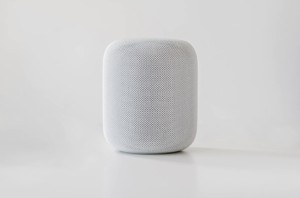
Do you talk to Siri? Bixby? Alexa? Google? Your car GPS? The rise of AI voices in modern life is everywhere, and growing every day. We’ve come a long way from the early times of Speak-n’-Spell toys some of us remember from childhood.
VO vs. AI
It’s not surprising that this has caused some concern in the voiceover industry. You’ll see group and forum threads all over the place sharing articles and worries about whether or not voice seekers will automate, sending us all out of business.
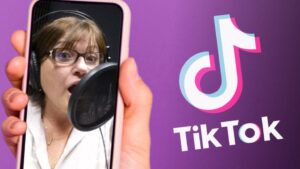
Some people are up in arms about AI voices, especially after the news broke of actor Bev Standing finding her voice stolen by the app giant TikTok, where users could make her voice say anything they pleased. Bev was rightly very concerned about her personal brand, and also wanted to be fairly compensated for use of her voice. She’d recorded speech audio for another company in China, and it was then transplanted for use of the app.
You’d think HAL-9000 was shutting the doors on all of us, given how some people are acting.
Will AI Voices take your job away?
But let’s take it down to brass tacks. Do you need to worry about AI voices taking your job away? The short answer is no.
- The first thing to know is that in many cases, AI voices will create jobs, because in order to create the speech, technology has to begin from recorded phrases from a real person.
- The second thing to know is that AI voices are not capable of the kind of nuances most of us are. There are demonstrations that have shown sound-alike voices for various people. But the time intensive modeling needed for that is not going to be used for your average voiceover project. So for audiobooks, commercial work, and most genres, breathe easy and keep on keepin’ on. You’re not in any danger for quite some time to come.
AI will continued to be used throughout industries
The long answer? If you’re in arenas where emotion and nuance are not the first worry of what you’re voicing, you may want to keep your eyes open. AI voices will find a home here sooner than anywhere else. Once producing them becomes cheaper than it is now, as the ‘libraries’ of recorded voices increase enough, some of this type of work will probably go non-human. IVR and e-learning are two easy examples of places where the conveying of information is the most important quality. It won’t happen tomorrow, but it is probably a good idea to broaden your base of clients.
Change happens in voiceover as much as any other industry, and although these genres are the likeliest to be first affected, it doesn’t hurt to have back up plans no matter where you are. Many talents are old enough to remember the digital revolution, and the vast changes that were forced on the voiceover industry. In almost all genres of voiceover, most people work only from home, and no longer go to the studio for all their work.
Protect YOUR voice and usage
Overall, the biggest thing you want to watch out for is what you’re signing when you’re looking into larger voiceover jobs. When, how, and for how long does the company you’re working for get to use your voice? Are they going to be able to sell it to another company, one that creates AI? No matter where your feelings are about the subject, make sure that you know what and where your voice can be used. Unfortunately, these technology developments are likely to bring out people and companies operating in a unethical manner to gain voice prints.
 Enter Clubhouse. This audio chat app has exploded onto the pandemic scene, giving socialization starved people a place to chat with others. It’s made a lot of waves, since you can’t record your rooms through the app, but the app can record you. The TOS claims that this only occurs when there is a problem reported in one of the rooms, and that the audio is deleted either after the room closes, or when an investigation concludes. But given the gleeful data-scooping activities of every tech giant in existence, whether or not you can trust Clubhouse remains to be seen.
Also, it’s good to note that even if you don’t use the app, they may have your information. Since the app is invitation only based, and it requires users to upload their entire contacts list in order to send out invitations, anyone you know could have already given the app your data. And, although the app has sent out news that they’re working to protect the privacy of their users, people are very inventive in their ways to circumvent these kinds of restrictions. In addition, more of Clubhouse’s TOS says that they are allowed to track and share your information without telling you and in whatever way they please.
Technology is all around you and continues to evolve
But the reality is, Clubhouse is not the first to do this. We’re all giant data mines to the tech giants, including your smart devices at home. If you have an Alexa or a Google dot, they record you too. Be careful what devices you purchase and what you connect to. Be aware that you’re giving your voice and your data away for free, which is something that may contribute easily to the rise of AI voices. Whether or not you want to download that app or buy an Alexa is up to you, however, it’s important to know the real impacts of the technology that you’re buying. We are all passive products to the tech giant industry.
Although AI voices are in no way an immediate threat, and will certainly generate new voiceover jobs as companies build their voice libraries, it’s important to keep in mind that we can help control this flow of voices by choosing with our dollars as well as what jobs we take. Another important aspect for those touting only the inflow of jobs into our industry is that once these libraries are built, the jobs will slow down drastically.
Yes, companies may want to add new voices, or update the existing ones, but once they have enough data to build from, they aren’t going to need your input again. This is something that cannot, by definition, be a ‘repeat client.’ In addition, these libraries are not likely to be subject to use rules the same way audio from a commercial might be. Companies looking for voice libraries are not going to want to come back and pay for use so they’re going to be looking for perpetual rights.
Real people can not be imitated…yet
 Nuance, emotion, and realism are our best defenses against the AI revolution. The human ear wants to connect emotionally to those they listen to, and that’s not going away. This is our biggest protection against brands building artificial voices for their work, since it is not something they are able to duplicate, and will not be for a long time to come.
Nurture authentic relationships with your clients, and emphasize the human connection. You are the sum of your experiences, and this is reflected in the unique take your voice is simply by existing. You can help tell a brand story and connect customers to a feeling far better than any computer generated voice can.
Just make sure that you’re keeping your eyes open, your business dynamic, and carefully read anything you sign yourself up for, and the AI revolution won’t rock your business boat for years to come.
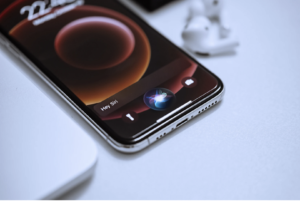 For anyone growing up in the last 60 years or so, computer voices are a part of the early media you consume. The computer voice on Star Trek was female. The robot Nanny in the Jetsons was female. Many folks either had or selected female voices for their GPS. Now, for anyone with an iPhone, Siri, another female voice is a button touch or spoken word away. Alexa is another female standard option, and Cortana is named for a (barely dressed) character from the video game Halo. But why are there so many female computer voices, and why in particular do so many assistant type programs have one?
 Google has an interesting bit of history behind it’s earlier generation of female voices. At the time the company began its signature voice, they originally intended to create both a male and female option. However, an engineer at Google says, “…