• Skip to main content
  • Skip to primary sidebar

Lauren McCullough

Female Voiceover Talent

717-281-1991‬

LaurenMcCulloughVO@gmail.com

  • Home
  • About
  • Demos
    • Audiobooks
    • Book Trailers
    • Commercial
    • Corporate Narration
    • eLearning
    • Explainer
    • Medical Narration
    • Phone/On-Hold/IVR
    • Radio
    • Videogames
    • Web Video
    • Whiteboard
  • Clients
  • Contact

voiceover

Why Your Family Practice Needs Videos

Business, Marketing

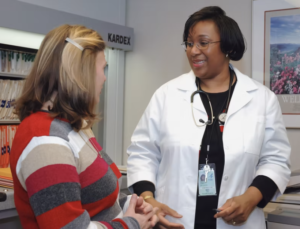
Should your family practice office use videos to get the word out? Absolutely! There are so many great reasons to use video in your digital marketing strategy. Video is a dynamic way to connect with your patients and the community that may become patients. It can bring a face and voice to your office marketing strategy and help you engage with your patients. 

It’s also a powerful method for developing an environment of peace and serenity, instilling confidence throughout your office. Combined, both online and in the office, your family practice videos can add personality and a unique perspective to your brand.

Online Marketing For Your Family Practice

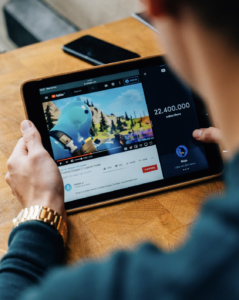
But first, let’s talk about why online video marketing is a great option for your physician’s office. There are endless statistics about why anyone should be using video in their online marketing strategy. For instance, according to this Forbes article, more than 250 million hours of video are watched on YouTube per day and a person spends 88% longer on a website that has a video embedded in it.

For me though, it’s more than the numbers and the algorithms. Video brings an authenticity to your family practice brand and allows you to connect with viewers in a very real, natural way. This is huge for a family practice office, because patients want to know they can trust their doctor. A recent study out of the Netherlands examined the contagious nature of emotions in YouTube channel creators and their viewers. Viewers can tune in for the content and be emotionally impacted at the same.

Imagine being able to really communicate your bedside manner, before you even meet a patient. Imagine easing anxieties and supporting positive emotions around a visit to a doctor’s office, even before a patient makes an appointment or steps into your office.

What Kind Of Content Should Your Family Practice Create

The content you create really depends on your particular family practice office and the patients you serve. What are their concerns? And what information do you wish they knew or understood better?

  • Informational Videos

You know all those brochures you have sitting around the office. The ones you hope your patients will pick up and learn from. Or the ones you hand them at the end of the visit. Those are a great place to start with informational videos. Share with your viewers the latest research and any precautions they need to be taking. This is also a good way to address seasonal or headline making diseases that are probably already on your patients’ minds.

  • Introductory Videos

Tell us more about you and your staff. Talk about your credentials, as well as a few personal details that make you more relatable. Where did you go to school? What kind of dog do you have? What are your hobbies? You can make a long video speaking with everyone in the office – or short videos with each staff member. You can use these on their bio pages on the website as well as social media.  

Walk around the office and show new patients what they can expect in your space. What does the waiting room look like? Who should they talk with first when they arrive? And what do the exam rooms look like? These are great for any new patient, but also for children who want to have a mental image of what to expect. These videos can reside on your home page or be linked from social media. 

  • What’s New

Did you just install some new equipment? Is your office undergoing a renovation? Are you doing something new or different? That’s a perfect time to grab a camera and walk around. Keep your patients engaged with what’s happening at your family practice. This is especially useful if your patients normally only come in once a year or so. Engaging with them year round keeps you front of mind. 

In-Office Videos

Let’s switch gears and talk about another powerful way that your family practice can use video. Videos throughout your family practice office can add to the environment of calm that you have tried to create. It’s more than just about grabbing some magazines in the waiting room or turning the TV on to a certain channel. Creating in-office videos for your patients is an intentional move to help them have a more fundamentally relaxing experience in your office and to create more positive associations with visiting you. This may help them trust you and visit you more often when they need to, but also to share their experience with their friends and colleagues. 

Relaxing With Video

People already flock to YouTube for what is often called ASMR (autonomous sensory meridian response) videos. They are looking to these mindful, relaxing videos for their physical and mental sensations. Others enjoy hours of just every day people talking about books or others interests. The research, and anecdotal evidence, is already out there that people relax with videos. So now’s the perfect time to bring that same experience into your family practice office.

Creating An Environment Of Calm In Your Family Practice Office

As you are thinking about creating an entire environment that is peaceful and welcoming to your patients, be intentional about where you can place tv or monitors to play videos that will help your patients relax. 

The first place to start is the waiting room. Here you can distract your patients from their concerns and the waiting with uplifting and comforting videos. Don’t forget the exam rooms. Depending on the type of healthcare you provide, you may want a monitor on the wall or a tablet that patients can hold to watch during their appointment. You don’t want the videos to detract from your face-to-face interaction and conversation, but if your patients have to undergo treatments, a relaxing video may ease the process. 

Here are a couple great resources about how music and nature can be therapeutic video design components. 

Types of In-Office Videos

  • Plug and Play

If you aren’t sure where to get started or just need to get going quickly, there are many plug and play options that allow you to just purchase videos or streaming and get started. C.A.R.E. Programming comes on a micro media player that you can just plug into your tv monitor through HDMI. UScenes offers streaming or USB options. 

  • Custom Created

Another option is to work with a video production company, or enlist your own talents, to create your own videos and stream them into your waiting room. The downside of this is that you will want to be sure that your videos are high quality and relaxing in tone. However, there are a number of positives. For instance, you can control what is being shown and can update it to address seasonal or other concerns. You can also use it as a way of building your brand recognition and making your staff more visible. 

Where A Voice Over Talent Can Come In

Whether you are creating videos for online marketing, to get the word out, or are desiring in-office videos to improve the experience of your patients, a voice over actress could help you create those videos professionally. Find a voice talent who is known for a relaxing or relatable voice and pair that with pictures or videos. As we’ve seen with the popularity of apps like CALM, guided meditations are a wonderful way to put you patients at ease. You can tell stories or educate your patients. Either way, both they and your family practice office will be better off for it. 
What is audio description?

Voiceover Industry

This not-new-but-growing field is a great one for folks who want to do some good with their voice practice. 

The federal government defines audio description like this: 

“Audio Description. Narration added to the soundtrack to describe important visual details that cannot be understood from the main soundtrack alone. Audio description is a means to inform individuals who are blind or who have low vision about visual content essential for comprehension. Audio description of video provides information about actions, characters, scene changes, on-screen text, and other visual content. Audio description supplements the regular audio track of a program. Audio description is usually added during existing pauses in dialogue. Audio description is also called “video description” and “descriptive narration”.” 

Different from Subtitles

This differs from other types of adaptive services like subtitles, since you need an earpiece or other sort of headset to hear the descriptions that let you know what’s going on. 

There is more than one type of audio description, that which is pre-recorded and synched with the audio of the movie and fit into dialogue pauses, and the kinds that go along with live performances and are voiced as the performance goes on. 

  • For pre recorded media, there is one other type of description, called extended description. This is used with media that does not have frequent pauses, or has heavy visual elements that need a great deal of explanation. With this option, you can pause the action in the movie or show to play out the entire description before going on. Libraries will also sometimes have DVDs with recorded descriptions added to borrow. 
  • Other genres of audio description can be found in self guided museum tours or other visual art exhibits. Non-visually impaired people may enjoy this service also due to alternative processing needs when watching a movie, or other disabilities. 
  • Persons on the autism spectrum can use audio description to help understand interpersonal or emotional cues with the pairing of visual and auditory description. This helps them understand challenging areas with increased clarity. 
  • Children developing language can also benefit, since it improves their association with words and visual objects or events onscreen. 

Audio for Visually Impaired

Creating additional audio for blind people has an interesting history. 

There are a few early incidents of movie theaters doing special showings for blind people with live description as part of the program, but this was few and far between as technology continued to advance. Early media formats hindered the development of the service, since analog signals could only transmit one audio channel at a time. The American Council of the Blind includes some history of audio description, sharing “Credit for the “invention” of audio description in 1981 generally goes to the late Dr. Margaret Pfanstiehl and her late husband Cody, although in independent efforts a man named Chet Avery proposed the concept in the late 60s, and Gregory Frazier worked on the idea on the 1970s. 

In 1990, the National Academy of Television Arts and Sciences awarded Margaret an Emmy for her “leadership and persistence in the development of television for the visually impaired.”  In 2009, Margaret received the Excellence in Accessibility Leadership Award at the LEAD Conference at the Kennedy Center for her lifetime commitment and enduring advocacy on behalf of audio description and other forms of information access for the visually impaired community.  Over the years, the Pfanstiehls personally trained hundreds of audio describers around the world.  Since then, many of those trained describers have gone on to train other audio describers.

Accessibility

Disability advocacy has increased the type of assistive services available across the US, with many media producers making more efforts to include disabled folks in their creation but we still have a long way to go. 

The government has moved back and forth on whether or not television stations have been required to provide audio description services. In 2002, it was ruled that the FCC did not have the authority to require stations to provide audio description. Then, in 2010, it was ruled again that the descriptions were within the FCC’s authority to require. Unfortunately, the FCC’s requirements for major stations to provide audio description does not cover all stations and all programming, so you may not be able to utilize this service for certain programming.

Increased Popularity

Over the decades, audio description has become more and more popular as visually impaired people want to consume more television, but in the past they had to rely on friends or family members for description duties. In 1985, WGBH in Boston started providing audio description services for PBS programming due to this. After running tests and reviewing studies, they created an organization called Descriptive Video Services to match up with PBS programming. 
As time passed, DVS programming has continued to expand, going beyond PBS services. Not all stations offer it, as the FCC’s requirements only apply to the major network stations and not to smaller stations or syndicated programming. Many stations choose to run a Spanish dubbing track rather than one for the visually impaired. Some of the streaming services are moving forward with offering audio description, but none of them do as of early 2021. There are now also many other companies, both for and non-profit that provide this service to interested media creators. 

Opportunities for Voiceover Beginners and Seasoned Pros

Audio description is a great way for beginning voice talent to offer their services on a volunteer basis with non-profit companies while you learn your craft. 

Veteran talent can also pursue paid projects through companies like Netflix that are utilizing audio description to make their content more accessible to a their audience.

There are a great many companies that provide this kind of services for media creators. Anyone interested can look on this page at the American Council of the Blind with Training or Education resources. There is also a great deal of information on organizations that offer audio description services, and you can look on this page to find out more information. Some of them will offer training or testing programs to get started. This is a type of service that will never run out of need, since not only are there constantly new shows and movies to describe, there are also oceans of older media that needs a run down. Once you are familiar with the voicing process for this type of work, you can also get your name on the list of voiceover rosters that have experience in that area on the ACB’s website.

Adding Video to your Marketing Strategy

Business, Marketing

Are you leaving a chunk of engagement for your brand, sitting on the table unclaimed? You have ads, you have copy, you have logos. What are you missing? Video! Video marketing is the name of the game, and we’re not just talking about commercials featuring your product. The world has not just gone digital, it’s gone mobile. 

Numerous studies have shown that video content gains higher engagement on websites and social media streams. That number is only growing, as is the number of people who consume video content on their mobile devices. Whether it’s a phone or a tablet, people are watching their favorite shows and more in their hands. Video ranks well in search engine results, and it’s easy to share and re-share. In addition, the percentage of video content on the internet is only going higher as well. 

Brainstorm Ideas

So where do you start? If you’re a brand that has mostly kept their videos to specific advertisements, diversify! People love how-to content. If you’re a hardware store, create videos on how to change a tire, or how to know when to call a repairman for a dishwasher, or whatever you can think of. You’ll get to showcase your products and give potential customers a positive association with your name. 

Even brands that may have more esoteric products, like stock trading or financial transactions can give advice on how to pick stocks. Or perhaps on what kind of investments can give good returns. The opportunities are limitless, and you will immediately give the viewer a feel good moment. That makes them more likely to share your content, and spreads your reach further yet. Going viral is never out of reach if you can make people laugh or give them something to think about.

Connect with your audience

But before you begin your diversification, remember that realism is king here. Customers have been saturated with ads their entire lives, and if your how-to is just thinly derived sales pitches, it’ll be a quick turn off. The younger generations in particular have a sharp nose for sales derived language, and not much tolerance for it. Think of this non-sales content as a chance to show your values as a company. No matter whether or not people buy from you or use your services, you’re putting something good out there into the world. That’s the kind of thing people will remember and tell others about. Another excellent application for video is to give potential customers a view into who you are as a company. With our vast interconnection in the world, the personal touch gives your company and your brand a greater depth and connection. 

The Internet thrives on video

Have you neglected your social media channels? Take the opportunity to spruce them up with some video content. It’s an easy turn off if someone is trying to find out more about a company and all they can find is a half empty Facebook business page. Make sure that the team member(s) assigned to run these channels have a strong connection with the movers and shakers in your company. The messaging needs to be a strong thread throughout the whole company and not in some forgotten corner. Don’t forget to add video content to your website as well. There are a great many plugins that can feature your social media content on your website also. 

And even if it doesn’t seem like it, make sure that the executive level understands the value of social media and what type of content is good to put out. More than one venerable executive has caused missteps with their misunderstanding of the differences between old and new content types. Don’t worry about market saturation and following every social media ‘rule’. Worry about being interesting and engaging. Make it your priority to be a storyteller, someone who promotes connection between people, someone who gives value and transparency with their brand and their product, and someone who cares about people. 

Make people want to share

Engagement is the golden ticket many brands strive for. Customers replying to your posts, sharing your content, and participating in any contests you run can help spread your name far and wide. Video content is a keystone here, as well as making sure that you don’t always recycle the same content. Consider creating a partnership with content creators where you can share your channel with them. Or you could create a partnership with another business, perhaps in an allied field. A hardware store with a paint store. A tire shop with a car wash. Again, the opportunities are limitless.
Keep an eye on the truthfulness and shared values that are part of your content. If you’re saying one thing but your employees are saying another, people will find out about it sooner or later. There are no secrets online. And there is no way to delete content permanently once it’s been posted. This isn’t to scare you off of the video content that can improve your brand image. This is to make sure that you take some care in doing so. Once inconsistencies are noticed, there’s no putting that cat back in the bag. 

Think outside the box

Other ideas for video content are website contests. Give your viewers something to do, and you can increase your sharing. People love prizes and the chance to win something fun. Whether it’s the creation of a post of someone using your product, or writing comments on a post and sharing and tagging, this can increase your reach. Also, have your social media employees looking for people mentioning your product. 

Recently, a young man was wondering about the origin of the popular Triscuit crackers. Since they’re square, why was the name tri-scuit? To make a long story short, he found a photo of a 100+ year old ad that showed how triscuits were baked by electricity. That gave the company elec-tri-city biscuit, Triscuit. Triscut responded to the young man’s posts, confirming the information he’d found, and sent him a pallet of their product. Now they look good, the young man has an amazing story, and the whole incident is added to the feel-good archives of cool online happenings. 

Don’t forget emails!

Videos in your email marketing is another great opportunity to share your content. It can easily take a boring newsletter into something people want to open and share. This is another area to take care, however, as many companies have vastly overused this channel and heavily saturated the market. Don’t sign people up without their consent, and don’t send them constant emails. Make your content something that will make their day better. Give them good info, and don’t center your selling so that they don’t dread seeing your company name in their inbox. Or worse yet, have your email banished to their spam folder so they never see it at all. 

Whether you’re a video newbie or you’ve shared some things, there’s always more engagement out there for your and your brand. Advertising is changing, bringing in new methods, scripts, and modes, and you don’t want to get left behind. And the opportunities are truly exciting. You can not only drive sales of your product or services, but can make people laugh, give them good info, and genuinely touch their hearts. You can share stories, and rewrite your company reputation in this new frontier. 

10 Tips for Directing a Voiceover Talent

Casting, Voiceover Industry

So you’re gearing up to record a live session with a voice talent! This is a great way to improve the visibility of your product or service and humanize that commercial or narration in such a way that can help you for weeks or months to come. But this can be kind of intimidating, especially if you’ve never taken on a directing role before. 
The first major choice you have to make is whether or not you want the talent to record in an outside studio, or at their home space. The major advantage in recording in an outside studio is an environment that you control completely–you know that the recording space is top notch, and you have an expert engineer on hand to sort out any hiccups. 

The big disadvantage here is the additional cost, since you have to pay for the space and time in an external studio. If the talent is recording from home, you gain a great deal of flexibility, since the talent doesn’t have to travel, and you don’t have the additional cost, but there can be more hiccups with technology or the recording space than otherwise.

Luckily, home studios have really benefited from the huge leap into remote working over the last 2 years, and all the technologies that talents were using have become even more stable and easy to use.

Helpful Tips

Once you sort out that issue, below are ten tips to work through before you record to make sure that your experience is as smooth and effective as possible. It can be a truly rewarding journey to collaborate with a voice talent and it can only benefit you and your company in the long run.

Minimize adjectives

  • When figuring out how you want a talent to voice your script, it can be easy to get a little too enthusiastic with the description words. Less is more here. For example, “Super conversational, like you’re talking to your best friend” or “Professional, Clear, Confident.” You want to use specific language, but not pile on the words until it becomes unclear for the talent, and makes it harder for the session to go smoothly. Too many words (especially if they start to conflict) make it harder to get the read you want.

Reference a demo sample

  • If possible, this can be a great reference tool to find out what you want your talent to do. Talent generally have several different reads on their demos, mixing a variety of scripts and styles, and one of them might be close to or exactly what you’re looking for in your read. Referencing this can cut the explaining short and give you both a shortcut to your goal. 

Know your message and audience

  • Make sure before you get started that you have a clear description of what the message and feel of the script is, and also who the target audience will be. This helps the talent align their skills and craft your perfect read, and makes it easier to dial into exactly what you need. 

What’s important?

  • Are there certain lines or words that you need to have stand out? Are there sentences that need to carry a specific emotion? Create this map for yourself and the talent to give them another tool to make a great read. 

Read it aloud

  • Many times scripts have to go through multiple revisions before being ready to record. Finalizing your script before hand is crucial to saving time in the long run. The last thing you want is to be making re-writes on the fly during a session, especially in a situation where they need to be approved by legal.
  • There’s a simple, vital step that you need to take before you put the script in front of your talent. Have someone sit down and read it aloud. It won’t work if you don’t read it out loud, and here’s why: this is the fastest way to identify trouble spots in the writing. Perhaps there’s an awkward phrase, or something could be made a contraction to flow better, or anything of that nature. It will probably feel a little awkward, but the benefits all around outweigh the minor discomfort.

Audio Quality Check

  • This tip specifically applies to talent recording in their home studio. It’s unfortunate, but some people choose to get a demo that does not accurately represent the work they are able to do in their home studio. Audio software in the hands of an expert producer can create a hot rod out of the proverbial lemon pretty easily. A short test recording from the talent will give you a quick and easy idea if they can deliver on the promise of their demo. This may already be covered in whatever audition they do for you, but if not, you should be able to negotiate a couple sentences to make sure no one is promising something they can’t deliver. 

Be ready for your ABC’s

  • Requesting ABC’s from a talent means asking them to read something three different times in three slightly different intonations. This can be very useful if you have any parts of your script you’re not totally sure about the read of, particularly the tag line. Time equals money so it’s good to get a few different reads from the talent to make sure you have more than you need just in case. Having extra makes it much less likely that if you have to switch anything around or alter a tone you have to call the talent back in and pay for an additional session fee. 

Too many cooks

  • In a directed session, it’s natural that many people in your company may want to listen in. It’s very easy for that type of situation to get overwhelming for everyone, and make the direction and recording far more difficult. It’s natural for different people to hear sound in quite a variety of ways, and your colleagues may have their own ideas for direction or alterations in tone. This will slow down the recording, drive the cost up, and make it harder to get the perfect recording. If you aren’t able to slim down the invite list, establishing someone at the beginning of the session as a point person who will convey directions to the talent after the group has taken time to mute and discuss changes will make everyone’s session go more smoothly and will ensure everyone feels heard.

Get your music ready

  • If music is part of your final product, have it ready to play for the talent if at all possible. Music is a great way to get across the mood and tone of what you’re looking for and will help the talent dial into your needs. If you don’t have the specific piece yet, get as many descriptors as you can about genre and attitude to help set the idea and space for your talent. 

Don’t forget to have fun

  • This might sound silly in the business world, but it’s an important part of your session. Everyone has experienced a work environment that is a little too serious and it can be a real drain and drag for everyone. Making sure that everyone involved knows that it’s okay to be human, flub a line, or laugh at someone’s joke can help everything to go smoother. And the positive energy can make a significant difference to the overall energy and read from the talent.

Whether it’s an internal training, a telephone system, your latest commercial, or simply a scratch track, collaborating with a voice talent for a directed session can be easy and relaxed with the right preparation. You and the voice talent will hopefully be working together for years to come. Keep these ten tips in mind, and you’ll get that recording session polished off in no time flat. 

ASMR: the coolest high you’ve never heard of

History of Voiceover

What is ASMR? The Autonomous Sensory Meridian Response is a pretty new classification of a sensory phenomenon some people can experience.

It’s often compared to the sensation of using a head massager. ASMR is a pleasant tingly sensation that runs through the head and neck, which can cause sleepy, trance-like and/or euphoric feelings. In fact, a study found that  75 percent of participants felt a pleasurable tingling sensation when they heard people whispering. Some 64 percent felt the same sensation when they heard “crisp or crinkling sounds,” such as fingernails tapping on a metallic table.

Many people realize that they have it in childhood, but have only discovered the name for it in recent years. The name itself has an interesting origin. It sounds like a proper medical name, but it was spawned in a forum group where people who enjoyed the sensation wanted to come up with a name for it. Medical science is currently beginning to study the phenomenon, doing MRI studies to examine brain activity, but there’s no significant consensus as yet.

What does it do? Nothing in particular except feel nice, but it’s nice enough to have spawned 13 million youtube videos, countless articles, and more.  Let’s look at some reasons why this quirky little sense experience is so awesome. 

Diverse Causes

ASMR triggers can have a wide variety of types. Everything from Bob Ross videos, to gentle touch, to the sound of people eating can cause them. If you’ve not been able to experience the sensation yet, don’t worry! There could be a trigger out there for you somewhere. If one video is annoying, there’s probably another one with the stimuli you crave that’ll get you going better than ever. And since there are so many enthusiasts working on creating stimulating videos, articles, and other resources, the internet can help you find everything needed to figure out what your trigger(s) might be. Here is a partial list of triggers via Wikipedia. (But if yours isn’t on here, don’t worry, there’s lots more!)

  • Listening to a softly spoken or whispering voice
  • Listening to quiet, repetitive sounds resulting from someone engaging in a mundane task such as turning the pages of a book
  • Watching somebody attentively execute a mundane task such as preparing food
  • Loudly chewing, crunching, slurping or biting foods, drinks, or gum
  • Receiving personal attention
  • Initiating the stimulus through conscious manipulation without the need for external video or audio triggers
  • Listening to tapping, typically nails onto surfaces such as plastic, wood, metal, etc.
  • Hand movements, especially onto one’s face
  • Listening to certain types of music
  • Listening to a person blow or exhale into a microphone

Also: A 2017 study of 130 survey respondents found that lower-pitched, complex sounds, and slow-paced, detail-focused videos are especially effective triggers.

No Fallout

If you should happen to binge on ASMR tingles, you’ll have no negative effects whatsoever, except perhaps a loss of the sensation for a while. And even that shouldn’t last too long. Watching a tingle-riffic video too many times will lessen the sensation, but there’s always another video out there for you.  If you’re searching the triggers for one that sets you a-tingle, there’s no worries there either, the worst thing that could happen is a touch of annoyance if a sound is not for you. 

Sales benefits

ASMR could possibly be of great use in sales, if applied correctly. It would have to be carefully thought out and applied to a target audience. Since most people’s triggers are different, it would be a challenge to find something that applied to and appealed to a variety of folks, but if there was data that they spent time on youtube for that reason, you might have an ‘in’. However, for those people who don’t enjoy the sensation, the videos or audio can be quite unpleasant, so take care with your possible application! But there are no limits to the way that you can apply and associate yourself with an awfully pleasant thing. 


EXAMPLES:

https://www.youtube.com/watch?v=uLFaj3Z_tWw

https://www.youtube.com/watch?v=NKoJDyKo1QQ

https://www.youtube.com/watch?v=kb93N4nxLYI

https://www.youtube.com/watch?v=Yn9q2fS15pA

https://www.youtube.com/watch?v=zqU8ar4gSyI


Free relaxation

I mean, who can’t use another way to relax these days? And even better, a method that is totally free? No screen issues, no purchases to stress you out, it’s free, and it can be really fun to discover all the ways the sensation works for you. Anywhere you have headphones and a connected device can become your own personal sensation space with ASMR.

New kind of personal connection 

If you discover that your triggers are related to other people (for example, close personal attention is a common trigger) you can even bring a partner or friend into things and make it an enjoyable intimacy between yourselves. ASMR isn’t related to the sexual response for most people, so anyone you’re comfortable with can share tingles with you! 

Potential health benefits

Although ASMR hasn’t been widely studied yet, there is new info that says it may lower heart rate and improve overall health. Many ASMRists also say that it can ease the symptoms of depression, anxiety and insomnia, so for anyone who has those, here’s another tool to try and help yourself. 

Even the opposite can help

What the essential opposite of ASMR is is called Misphonia, and for those who experience it, finding out that it exists can be a tremendous relief. Misphonia is an auditory processing disorder that causes extreme reactions and anger to certain sounds, such as chewing or pen clicking. Although it doesn’t mitigate the unpleasantness, it can feel like a breath of fresh air to know both, that you are not alone, and that you’re also not crazy for wanting to strangle someone for chewing gum. (Misphonia based strangling, or strangling in general not advocated by the author.) 

Community

There are forums, videos, Facebook, and even meetup groups for those who experience ASMR. Your quirky sensation can bring you into contact with lots of people, and perhaps you can find new friends or just enjoy the common experiences with a very diverse range of people. You never know who you might meet that could bring real value to your life. And if you’re not the socializing type, you can always just watch the community go by.

Always evolving

The world of ASMR is constantly evolving, and there are new videos, articles, and science published all the time. If you’ve ever wondered at the rush of tingles and mild euphoria you get when certain sounds or sensations occur, you can find ever greater amounts of information to scratch the wondering itch.

One of the wonderful things about the internet is that we are able to learn and understand the human mind and breadth of possible sensation far more than ever before. When people who would have never had the chance to meet in previous decades are able to compare notes, we find new threads that bind the human species together, and ASMR is a fun and interesting new discovery. Hope you find your happy head tingles!

SPOTLIGHT: Women in VO Portrait | Jean Vander Pyl

History of Voiceover

A baritone voice draws out the syllables in the classic cry, “Wilma!” Ah, those Saturday morning cartoons. I know many of us spent Saturday mornings parked in front of our TVs enjoying cartoons and a bowl of cereal. The Flintstones cartoons, loosely based on the Honeymooners, premiered in 1960, and Jean Vander Pyl was the voice of Fred Flinstone’s wife, Wilma. She was also the voice of Pebbles Flintstone. But this iconic role was only one of many, and her career didn’t start there.

A Journey in Voiceover

Jean was born in 1919 in Philadelphia John Howard and Kathleen. John’s father had immigrated from the Netherlands, and Kathleen’s family was from Tennessee. She graduated from Hollywood High in 1937, and her aspirations were the stage, not behind the mic, but life had other plans.

She shared in the 1989 Los Angeles Times, “I wanted to be a star in the theater, not radio,” she says. But, after an illness interrupted her plans, Vander Pyl enrolled at UCLA and started working in radio. She promptly discovered that school and radio work didn’t mix. “My sorority sisters told me I had to either go to work or go to class,” Vander Pyl says. “So I said ‘Bye, girls.’ ”

That began a steady, if unspectacular career in radio, doing free-lance voice work for a number of stations in Hollywood. She says her strong points were that she could play everything “from the ingenue to the villainess without complaining or screwing up. Radio was a notoriously anonymous profession. It was considered a second-class art,” she says. “Agents wouldn’t even bother with us until the networks started packaging the shows and bringing more money into it. So I lived without the burdens of stardom.”

The Flintstones and Jetson

As TV came alive and radio fizzled in the mid-1950s, Vander Pyl was one of many voice performers to find work in the new medium. “When radio died, the prognosis was that we radio actors would be out of work because all we did was use our voices,” she says.“But that was wrong. Most of us came from a theater background, and making the switch wasn’t that big a deal. Then a few of us got lucky and got into cartoons.” The idea of making “The Flintstones,” a cartoon that Barbera says was based loosely on the TV comedy “The Honeymooners,” came after marketing experts discovered the audience for cartoons in the late ‘50s was more than 50% adults, Vander Pyl says.”

Early episodes of the show called her Wilma Pebble, and it wasn’t until later in the series that she was firmly established as Wilma Slaghoople. Wilma and her best friend and neighbor, Betty Rubble, enjoy shopping and spending money, and also travelling, in addition to rescuing Fred from his schemes. Also, in the live action movies created of the show, actresses other than Jean Vander Pyl played Wilma, but Vander Pyl was able to have a cameo in the conga line at a surprise party for Fred. (Just behind Dino!)

The original show ran from 1960-1966, and was the first cartoon to hold a prime time television slot. It was the longest running animated show until the Simpsons outlasted it, and has been awarded second best cartoon in history. (Right behind the Simpsons.) The humor of juxtaposing a stone age setting with a mid 20th century modern life has always been a lasting thing.

The Flintstones was not Vander Pyl’s only role at Hanna Barbera. She performed on such diverse shows as Huckleberry Hound, Yogi Bear, Quick Draw McGraw, The Jetsons, Snagglepuss, Captain Caveman, Tom and Jerry, Magilla Gorilla, and many more. Her second most well known voice acting role was that of Rosie, the robotic maid in the Jetsons. She played the original show’s run in the 1960’s, and also during the renewal of the show during the 1980’s.

In Front of the Mic

Jean wasn’t only an actress behind the microphone. She also acted on TV. In live action appearances, she was on many shows also, like Leave it to Beaver, Donna Reed, Father Knows Best, the Beverly Hillbillies, Murder She Wrote and more. She worked fairly steadily until almost the end of her life, her last appearance being in 1995, when she died in 1999. She was the last surviving original cast member of the Flintstones.

In those days, residuals for voice acting hadn’t been implemented as much as they were later, so Vander Pyl ended her days comfortable, but not wealthy, despite the length and breadth of her career. After the run of the Flintstones, she accepted a one time payment of $15,000, rather than residuals. She said later in life, that if she had accepted residuals she wouldn’t just ‘live in San Clemente, I’d own San Clemente.”

At the time, television shows that would remain popular and in reruns for decades hadn’t happened yet, but shows like the Flintstones and I Love Lucy showed the enduring power of the new medium. Actresses like Jean show us how powerful it is to grow up hearing these voices and how much they can be all around us, and we never know who they are. Voice actors can still be relatively anonymous like radio was, but Jean Vander Pyl and other trailblazers like her show us just how much impact you can still have on generations of children’s lives.

Unwavering dedication

To the end of her life, Vander Pyl loved her role as Wilma. She would sign notes, love Wilma, and kept a bunch of Flintstones memorabilia in her apartment. She felt like there was a lot of her own character in Wilma, and was always willing to come back in to work on another project with Wilma in it. This was still true even when Vander Pyl didn’t have interest in other acting any longer. She said, “Two years ago, my commercial agent told me I needed some new photographs. But at my age, I’m interested in working, not in making the drive up to Los Angeles five times a week. Of course, I’d make the drive if it meant getting to be Wilma again. That wouldn’t be such a pain at all.”

  • « Go to Previous Page
  • Page 1
  • Page 2
  • Page 3
  • Page 4
  • Page 5
  • Page 6
  • Go to Next Page »

Primary Sidebar

LISTEN


https://www.laurenmccullough.com/wp-content/uploads/2020/03/Lauren-McCullough-Commercial-Demo.mp3


Corporate
https://www.laurenmccullough.com/wp-content/uploads/2020/03/Lauren-McCullough-Corporate.mp3


eLearning
https://www.laurenmccullough.com/wp-content/uploads/2020/03/Lauren-McCullough-eLearning.mp3

SUBSCRIBE!

Click here to sign up for
a low-volume newsletter

Recent Posts

  • Tips to write a storytelling ad
  • Why Voiceover Communities Matter
  • Tips For Creating The Best On-Hold Messages
  • Does Professional Voiceover Help Sell Products?
  • 9 Ways to Keep Moving when You Work from Home

Categories

Archives

Follow LAUREN!

©2026 Lauren McCullough // Voice Over Site by Voice Actor Websites